Source Button Bases for Elevators, Railways, and Parking Systems
Find and compare 30 button bases designed for elevators, railways, and parking applications. Evaluate options made from stainless steel, rubber, and polyester, featuring certifications like ISO and CE, with customization available for precision measuring and advertising needs.
Key considerations
Products List
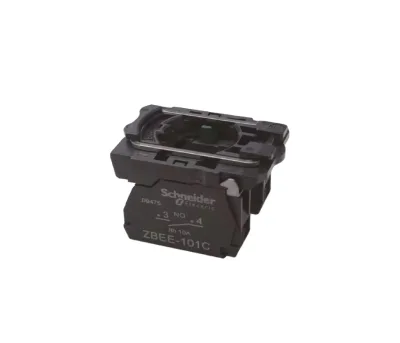


$7.00 - $8.50
Moq: 100


Comprehensive Sourcing Guide
Button Bases Sourcing Guide
The procurement of button bases requires a clear understanding of the diverse product landscape, ranging from precision measuring devices to specialized magnetic bases used in railway and tunnel applications. While the core keyword suggests standard fastening components, the observed market data reveals a complex ecosystem where "button bases" often serve as critical interfaces for magnetic blocks, thin-type magnetic bases, and even structural supports for advertising flags. Buyers must navigate listings that describe these components as stainless steel or rubber materials, each serving distinct functional requirements from industrial measurement to outdoor advertising stability.
Sourcing decisions should be driven by the specific application environment, whether it involves public traffic elevators, railway infrastructure, or portable beach flag installations. The observed product attributes indicate that these bases are not monolithic; they vary significantly in precision, with some classified as precision measuring devices and others as general-purpose mounting solutions. A buyer must first define whether the requirement is for a high-accuracy manual measurement tool or a robust, waterproof base capable of withstanding outdoor elements, as the technical specifications and material compositions differ drastically between these use cases.
Product Scope and Observed Listing Signals
The market for button bases presents a wide spectrum of product types, including precision measuring devices with manual and automatic measurement methods, as well as magnetic blocks designed for specific industrial standards. Listings frequently highlight materials such as stainless steel and rubber, indicating that the base must be selected based on the need for corrosion resistance or shock absorption. For instance, some products are explicitly designed for railway, parking, and tunnel applications, while others serve as lightweight, portable foundations for advertising feather flags, demonstrating that the term "button base" encompasses both heavy-duty industrial hardware and lightweight consumer accessories.
Buyers should carefully scrutinize the listed specifications to distinguish between standard components and highly customized solutions. The observed data shows that customization is widely available, with options for specific model numbers like ZB5AZ104C or JW-RB-03, and varying sizes ranging from compact 10x10x10 cm packages to large-scale 5.5-meter flag installations. This variability means that a single search query may yield results for elevator control systems, magnetic bases with 20lbs or 30lbs standards, and dye-sublimation printed flags, requiring the buyer to filter strictly by the intended mechanical or structural function to avoid purchasing incompatible hardware.
Technical Specifications to Verify
When evaluating button bases, the primary technical verification must focus on the material composition and the intended measurement or load-bearing capabilities. Stainless steel variants are often associated with high precision and durability, suitable for environments requiring strict adherence to standards like DIN or GB, whereas rubber materials are typically selected for their flexibility and shock-dampening properties in applications like flagpoles or specific industrial mounts. Buyers must verify the specific material grade and thickness, as the difference between a standard magnetic block and a thin-type magnetic base can significantly impact the holding force and stability of the final assembly.
Precision and accuracy are critical differentiators that must be confirmed before finalizing a purchase, particularly for applications involving measurement or safety-critical infrastructure. The observed listings distinguish between manual and automatic measure methods, with accuracy levels ranging from general use to specific classifications like "A" for precision devices. For applications in public traffic or elevators, the load capacity is a non-negotiable specification; buyers must ensure the base can support the required weight, such as the observed 5000kg capacity, and verify that the control type, such as microcomputer frequency control, aligns with the operational requirements of the system.
Compliance and Safety Documentation
Compliance verification is essential when sourcing button bases, as the products often serve in regulated environments like public transportation, tunnels, and railway systems. The observed certifications include ISO, RoHS, GB, DIN, CE, and FCC, which indicate that the manufacturer adheres to international quality and safety standards. Buyers must request valid certification documents to confirm that the specific batch of button bases meets the regulatory requirements of the destination market, especially for products involving electrical components or those used in high-traffic public areas where safety is paramount.
Safety documentation should also address the environmental durability and lifespan of the product, particularly for outdoor applications. Listings indicate that some bases are designed with waterproof characteristics and have a life expectancy of 1 to 5 years depending on the ink or material used. For advertising flags and similar outdoor installations, buyers must verify the resistance to weathering and the quality of the printing process, such as dye-sublimation, to ensure the product maintains its structural integrity and visual clarity over its intended service life without premature degradation.
Cost Drivers and Commercial Terms
The cost of button bases is heavily influenced by the level of customization, material quality, and the complexity of the manufacturing process. Customized models, such as those with specific model numbers or unique dimensions, often command higher prices due to the specialized tooling and production time required. Additionally, the inclusion of advanced features like microcomputer frequency control or high-precision measurement capabilities adds to the unit cost, while standard rubber or stainless steel components may offer more competitive pricing for bulk orders.
Commercial terms, including Minimum Order Quantity (MOQ) and delivery lead times, vary significantly across the product range and must be negotiated based on the buyer's volume needs. The observed MOQ ranges from 1 unit to 20,000 units, allowing flexibility for both small-scale testing and large-scale industrial procurement. Buyers should also consider the delivery method, which can range from express courier services like DHL and FedEx to sea freight, as the choice of logistics will impact the total landed cost and the speed at which the button bases are available for deployment in the field.
Supplier Qualification and Quality Control
Supplier qualification should prioritize manufacturers who demonstrate a proven track record in producing specialized components for diverse industries, from precision measuring devices to large-scale advertising structures. The presence of certifications like SGS and ISO 9001:2008 suggests a commitment to quality management systems, but buyers must verify that these certifications are current and applicable to the specific product line being sourced. It is crucial to assess the supplier's ability to handle customization requests, as the market data shows a high demand for tailored solutions in terms of size, material, and functional specifications.
Quality control processes must be rigorously defined to ensure that the button bases meet the required performance standards before shipment. Buyers should request sample units, which are often available for free or at a nominal cost, to physically inspect the build quality, material finish, and functional accuracy. For products with specific standards like magnetic blocks or thin-type magnetic bases, the supplier should provide test results or inspection reports that validate the holding force, precision, and durability claims, ensuring that the delivered goods match the technical specifications outlined in the procurement agreement.
Long-Term Procurement Checks
Establishing a long-term procurement strategy for button bases requires regular audits of supplier performance and product consistency over time. Buyers should monitor the supplier's ability to maintain quality standards across multiple production batches, especially when dealing with customized orders that may involve complex manufacturing processes. Regular reviews of the product's performance in the field, such as the lifespan of outdoor flags or the reliability of magnetic bases in railway applications, will provide valuable data to inform future purchasing decisions and identify any potential quality drift.
Sustainability and supply chain resilience are also critical factors for long-term success, particularly given the global export markets served by many suppliers. Buyers should assess the supplier's logistics capabilities, including their experience with international shipping via air or sea, and their ability to manage lead times effectively. By maintaining a close relationship with suppliers who offer flexible customization and robust quality control, buyers can ensure a steady supply of high-quality button bases that meet the evolving demands of their specific industrial or commercial applications.
FAQs
What certifications are available for button bases?
Certifications such as ISO, RoHS, GB, and DIN are available for these products. Additionally, CE and FCC certifications are offered for specific models. These standards ensure compliance with international quality and safety requirements for industrial and electronic applications.
Can button bases be customized for specific needs?
Yes, customization is available for button bases. Buyers can request specific models, sizes, and materials to match their requirements. The products support customized designs, allowing for tailored solutions in various industrial and commercial settings.
What materials are used for button bases?
Button bases are manufactured using stainless steel and rubber materials. Stainless steel provides durability and corrosion resistance, while rubber offers flexibility and shock absorption. These materials ensure longevity and performance in demanding environments.
What is the typical packaging for button bases?
Packaging options include cardboard boxes, white boxes, and cartons. Some items are packed individually in carry bags, with six sets per carton. This ensures safe transport and protection during shipping to global destinations.
Where are button bases manufactured?
Button bases are produced in China, with specific origins noted in Shanghai. This location supports efficient manufacturing and global export logistics, ensuring timely delivery to international buyers through various shipping methods.
What is the lead time for button bases?
Sample finish time is typically one day after graphic confirmation. Delivery options include DHL, TNT, FedEx Express, air, or sea freight. Lead times vary based on order size and shipping method selected by the buyer.